

From 2007 to 2011, I was part of the Creative Media and Digital Culture (CMDC) program at Washington State University Vancouver — a forward-thinking, interdisciplinary space where technology and human experience intersect. The program challenged me to think critically about digital culture while building practical skills in web design, media theory, and interactive storytelling. I worked with Adobe Creative Suite, WordPress CMS, and foundational web development tools, expanding on my prior training in video production from CVTV and Mt. Hood Community College. Guided by professors like Dr. Dene Grigar, Dr. John F. Barber, Will Luers, and Kathi Rick, I explored not just how media works — but why it matters. The CMDC program wasn’t just a technical training ground; it shaped the way I approach communication, creativity, and the ethics of digital engagement today.

The XXI Century Brautiganism: A Visual Poetry
This project explores how digital technologies can reinterpret 1960s poetry, specifically through “The 21st Century Brautiganism: A Visual Poem.” Premiering in 2010, it combines video interpretations of Richard Brautigan’s “Love Poem,” engaging audiences through varied emotional experiences. The initiative promotes poetic exploration via multimedia and interactive storytelling.
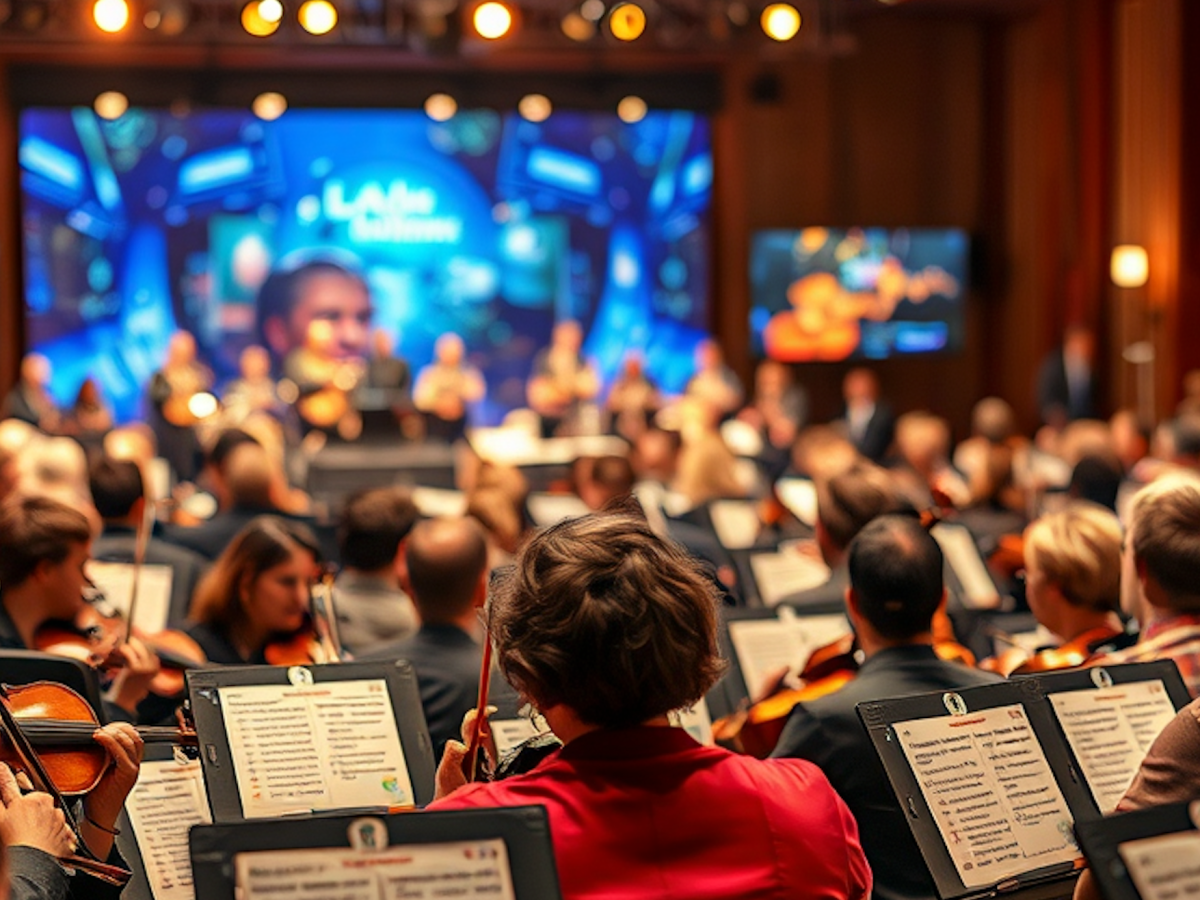
Transforming Vancouver’s Arts Scene through Digital Innovation: A New Era for Vancouver Arts LIVE
Senior Seminar Reflection, talking about Vancouver Arts LIVE as a potential non-profit organization to promote arts in Clark County, Washington. This project if taken into reality can potentially create an alternative public broadcasting for local community via the internet. read more on PROs and CONs of the project.

Rethinking Depression and Suicide: Insights from Dr. Edward Hagen’s Lecture at WSU Vancouver
Dr. Edward H. Hagen’s lecture challenges conventional views on depression, questioning the serotonin-centered model and suggesting depression may signal necessary change. He critiques current treatments’ efficacy, emphasizing the role of social connections and personal growth in mental health. The discussion advocates for a more nuanced understanding of depression beyond chemical imbalances.
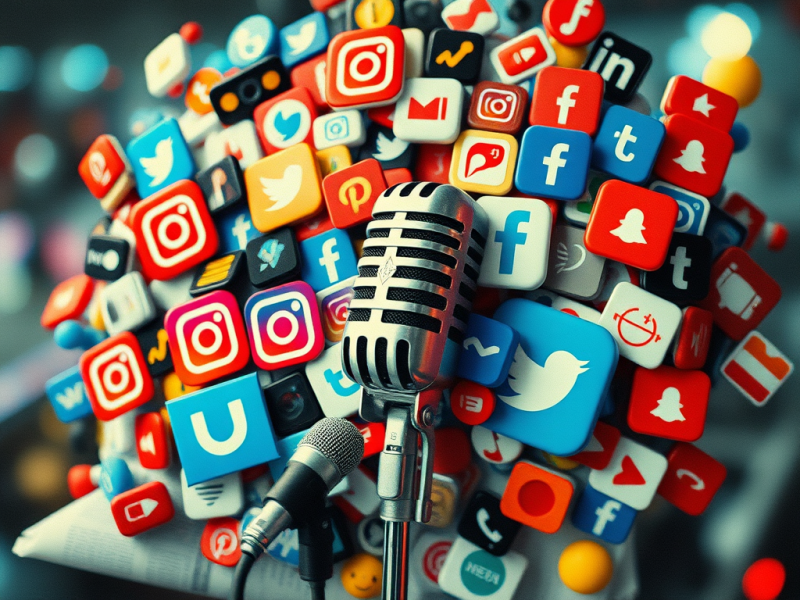
The Aesthetics of Social Media: How Technology Shapes Communication and Culture
Social media has revolutionized the way we exchange information. Today, communication often happens through platforms like Twitter, blogs, podcasts, and other social media applications. Information is shared conversationally—through comments, tweets, and posts—broadcasting opinions into the world. Grassroots efforts like iReport are frequently criticized for reshaping journalism negatively by introducing amateur content into a traditionally professional…

The Impact of Social Media on Communication Aesthetics: A Critical Analysis
Introduction Social media has revolutionized how we exchange information. Nowadays, we communicate primarily through social media applications, sharing our thoughts in a conversational manner via comments, tweets, blogs, and podcasts. There is often a perception that grassroots efforts, such as iReport, negatively reshape journalism by introducing amateur content into the professional sphere. However, I question…
Something went wrong. Please refresh the page and/or try again.
 Mikhail Oparin