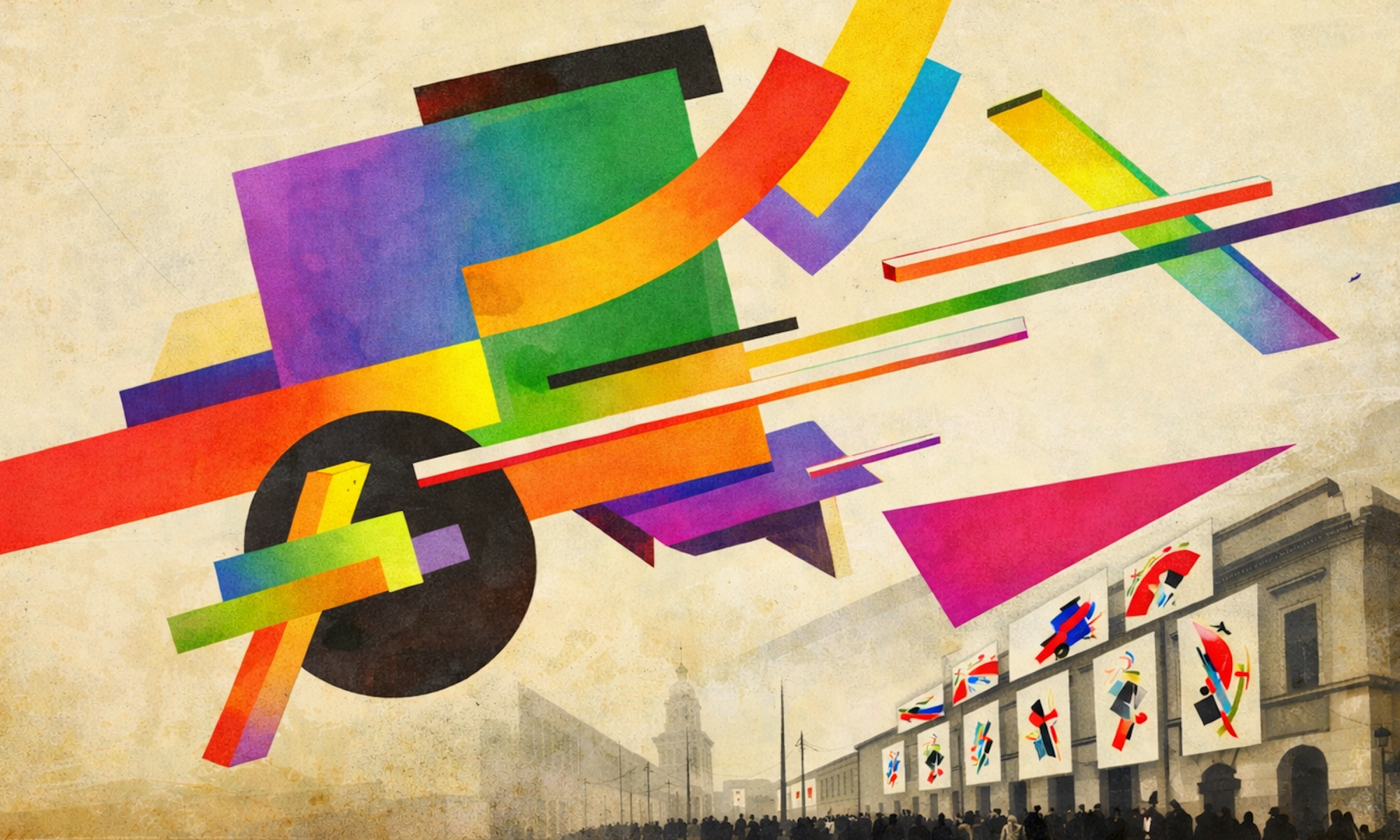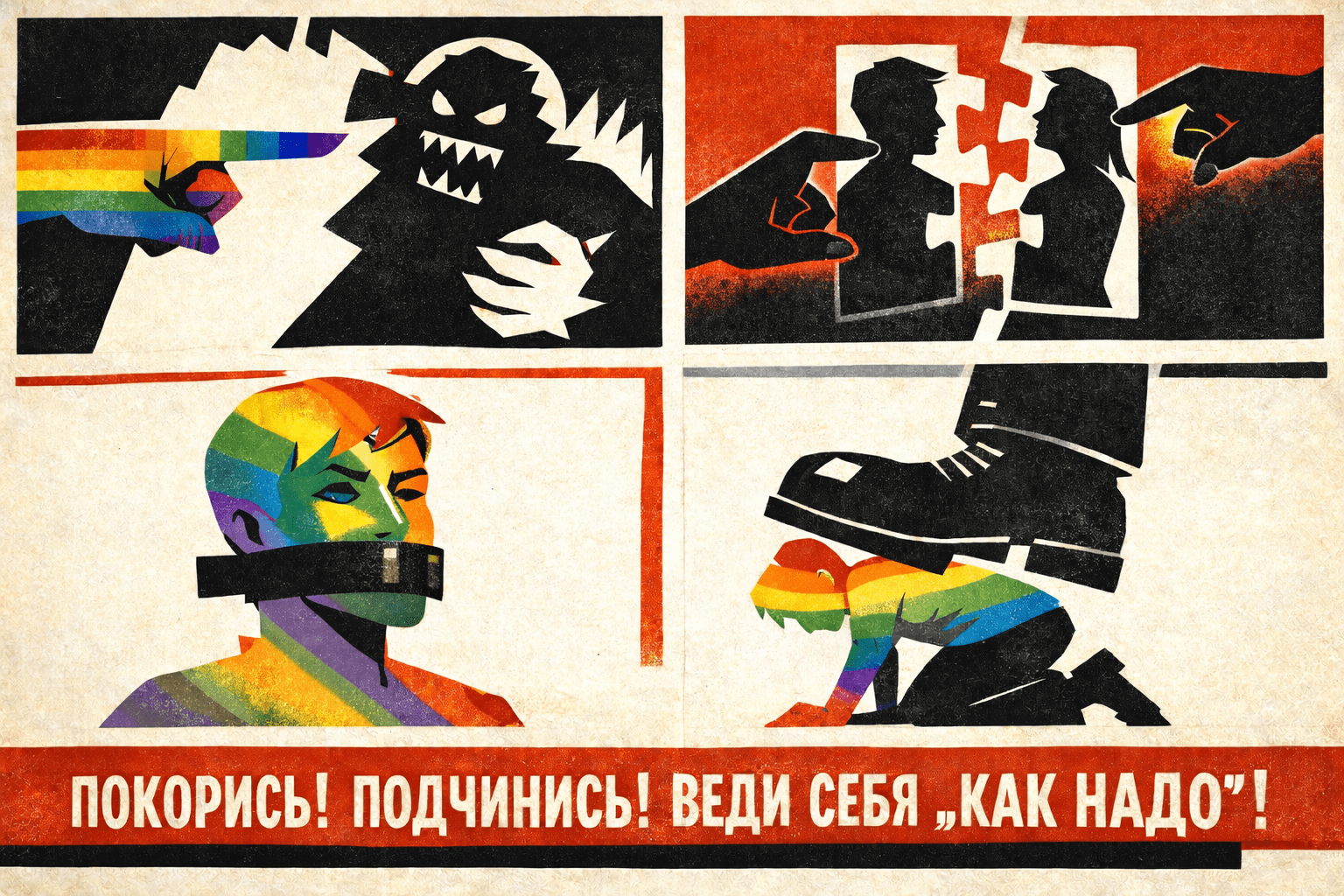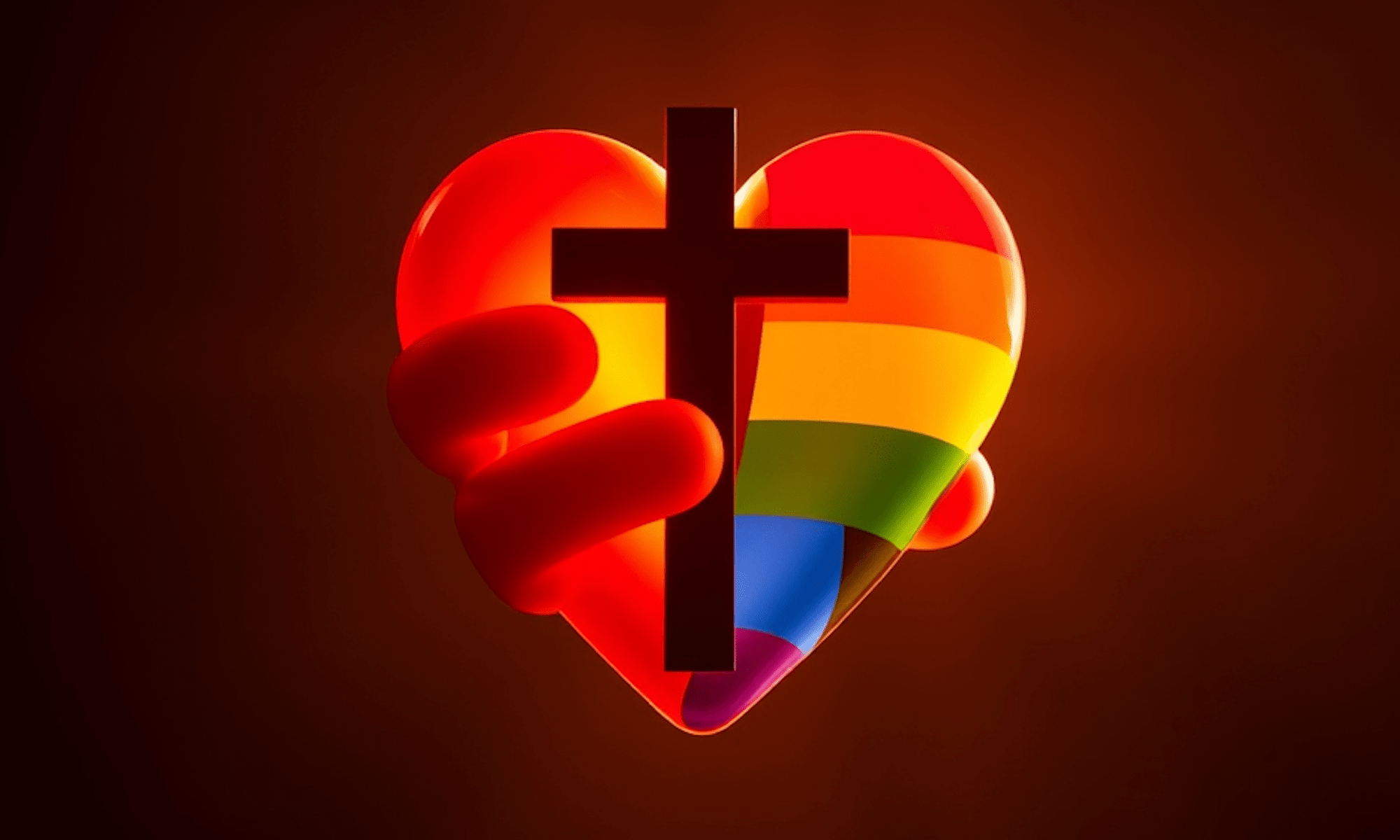

This final part shows how a portable faith script travels, how media turns it into atmosphere, and how it lands inside families as warm words with cold distance. I name the mechanism, the cost, and the reason it persists in diaspora life, where belonging can be guarded, conditional, and controlled.
Where It Takes Root, Part 2: When Belonging Has a Price
Part 2 explains how LGBTQ people become the price of belonging. It links Soviet era criminalization and inherited silence, the 1990s search for moral certainty, and Russiaโs traditional values laws to a portable media script. In diaspora churches and families, protection language becomes exclusion, even when it sounds like love.
Where It Takes Root, Part 1: The Making of a Portable Faith System
Part 1 of the 3-part series traces how underground evangelical life in the USSR learned belonging, then absorbed Western charismatic models after the 1990s opening. It shows how leadership pipelines, messaging logic, and insider outsider boundaries became repeatable across borders. This is the groundwork for a diaspora faith culture that sounds loving while enforcing conformity.
Breaking the Spell: My Moral Stand Against Manipulative Faith
The content reflects on the transformation of faith into a manipulative performance, emphasizing the distinction between genuine compassion and controlled belief. It critiques modern ministries that prioritize obedience over truth, leading to emotional and financial dependence, particularly affecting the LGBTQ+ community. Ultimately, it advocates for a faith rooted in acceptance, honesty, and love.
A Life of Courage and Quiet Strength: Discover Always With Hope
Always With Hope is a memoir by Lyudmila Oparina, detailing the life of a resilient Soviet woman who faced war, labor, and political upheaval. It emphasizes the power of compassion, responsibility, and hope in challenging times. The book serves as a poignant reminder of perseverance and the importance of sharing personal narratives.
Between Worlds: Holding Legacy and Identity in the Same Hands
Reconciliation is not about making everything fit. Itโs about allowing everything to beโfully, honestly, and without shame.
The Paradox of Love: LGBTQ+ Identity within Evangelical Families
This essay explores the author's personal journey navigating familial relationships within a global Evangelical ministry, confronting the paradox of unconditional love versus conditional acceptance. Through reflection, the author seeks recognition, accountability, and understanding, aiming to document the lived experience of LGBTQ+ individuals while analyzing the disconnect between theological rhetoric and real-life empathy.
Navigating Identity, Family, and Belonging: A Secular Perspective on Reconciliation with Evangelical Loved Ones
Maintaining relationships with evangelical Christian family members, especially as an LGBTQ+ person, is often described as an โemotional challenge,โ but that phrase doesnโt quite land for me. It makes it sound contained. Manageable. What it actually feels like is something that lives in the body longer than it lives in the conversation. It shows up …
Reflecting Family Faith and the Limits of Belonging
This report explores the emotional, spiritual, and practical journey of maintaining relationships with evangelical Christian family members as an LGBTQ+ person. Drawing from mental health research, pastoral case studies, and real-life reconciliation stories, it offers strategies for navigating complex conversations, setting healthy boundaries, and honoring both personal identity and family heritage. Through the lens of Pastor Vera Maksimovaโs transnational ministry and the lived experiences of LGBTQ+ Christians like Justin Lee and Matthew Vines, this work invites readers to consider how empathy, resilience, and faith can bridge even the most difficult divides.